

Android’s “Choice and Openness” Changes
Google recently announced what it calls “a new era for choice and openness” on Android, introducing a series of updates aimed at expanding how apps are distributed, monetized, and discovered on the platform. While Android has always positioned itself as a more open ecosystem compared to other mobile platforms, these changes suggest the company is moving toward even greater flexibility for developers and users.
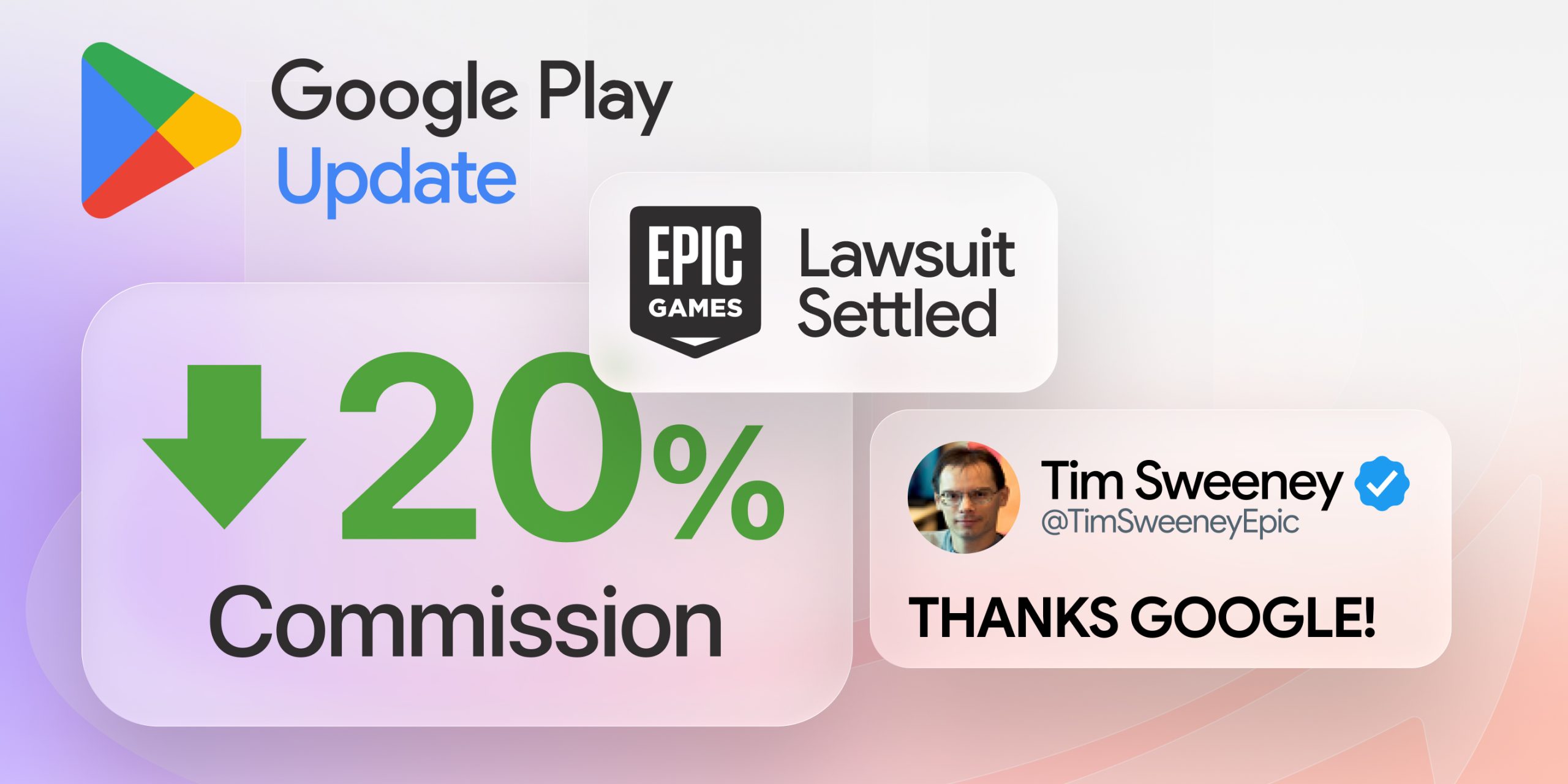
The announcement also comes shortly after Google reached a settlement with Epic Games over Play Store practices. The legal dispute began in 2020 and focused on Google’s control over app distribution and payments on Android. As part of the settlement, Google agreed to introduce changes that expand developer choice and reduce certain Play Store fees. These commitments help explain why the company is now introducing new pricing structures and initiatives focused on openness.
Back to the blog
A New Pricing Model for Google Play
One of the most notable updates is a new pricing structure for Google Play. Google is separating the service fee from the billing fee, giving developers more flexibility in how they handle in-app purchases. Developers who choose to use Google Play’s billing system will pay a market-specific billing fee. In the United States, the United Kingdom, and the European Economic Area, this fee will be 5 percent. Google is also lowering service fees for some transactions. For new installs after the pricing model launches in a region, the service fee for in-app purchases will be 20 percent.Expanding Distribution Beyond Google Play
One of the key themes in Google’s announcement is increasing support for alternative ways to distribute apps. Android already allows developers to distribute apps outside of the Play Store through sideloading and third-party marketplaces. However, the new updates signal that Google may further support alternative app stores and additional distribution channels. This could lead to a more diverse Android ecosystem where users encounter apps through multiple stores rather than relying exclusively on Google Play. For developers, that could open new opportunities to reach audiences through different marketplaces or partnerships.What This Means for Developers
Taken together, these updates suggest the Android ecosystem may be entering a new phase. Developers may gain more flexibility in how they monetize apps through updated pricing structures and developer programs. At the same time, expanded distribution options could gradually lead to a more diverse marketplace for Android apps.
While it will take time to see how these initiatives play out, the announcement signals that Google is continuing to evolve Android’s approach to openness, developer support, and app distribution. Stay ahead of Play Store changes. Contact us today to learn how we can help!