OpenAI’s release of the Codex app marks a shift in how AI fits into developer workflows. Instead of living inside a larger product or acting as a quick helper, Codex now operates in its own space. That space is designed for work that unfolds over time, not just single prompts or one-off tasks.
Designing for Long-Running Development Tasks
Early AI coding tools focused on speed and convenience. Autocomplete, short code snippets, and quick explanations defined the experience. Codex moves beyond that approach by supporting longer tasks, parallel agents, and ongoing project context.
Instead of only asking an AI to generate a function or explain an error, Codex can be used to explore an entire codebase, make changes across multiple files, or work through a complex task step by step. Different agents can handle different parts of the work at the same time, while progress stays visible and easy to review.
AI becomes less of a reactive helper and more of an active participant. That shift requires interfaces built for review and iteration.
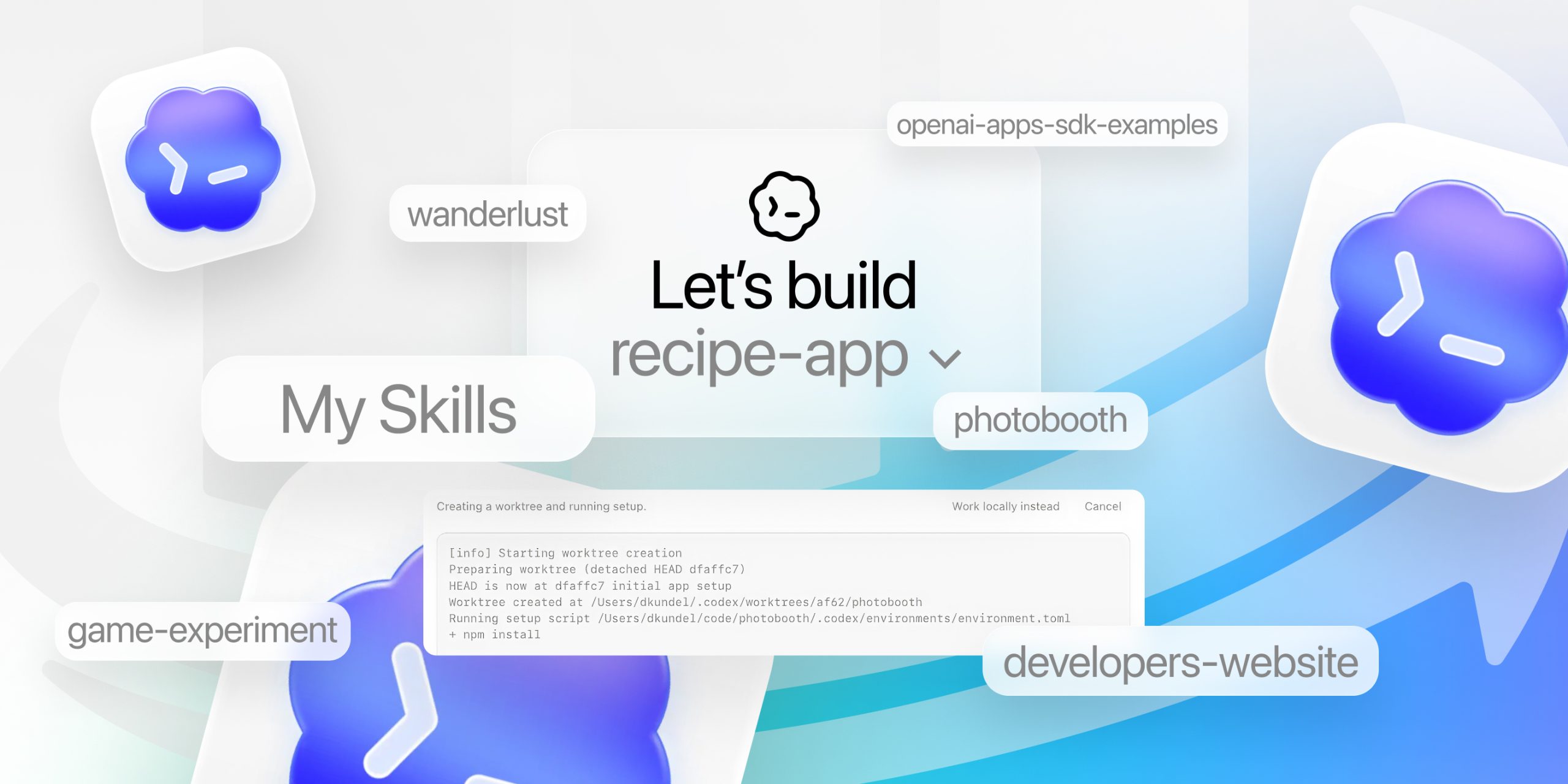
Why a Dedicated App Changes the Equation
Giving Codex its own environment reflects a change in how AI is being used. Instead of functioning as an add-on inside existing tools, AI is starting to act as a workflow on its own.
A dedicated app makes it easier to carry context from one task to the next, manage multiple lines of work, and review changes as they happen. This follows the same path software development itself has taken, moving from small, isolated scripts to larger, interconnected systems. The tools are evolving alongside the work.
What This Signals Going Forward
Agent-based, parallel workflows point to a future where AI takes on more sustained responsibility throughout the development process. That role goes beyond writing code and extends to exploring solutions, making incremental updates, and adjusting based on feedback. As AI handles more of this work, clarity and control become increasingly important. Interfaces need to show what is happening, why changes are being made, and how those changes can be reviewed or reversed. Codex appears designed with those needs in mind.
More broadly, this reflects a shift away from isolated AI interactions and toward longer-term collaboration between humans and systems.
Interested in how these changes take shape?
Contact us today to learn how we can help!