

Apple2 min read
Apple Introduces Advanced Commerce API
Apple unveiled their Advanced Commerce API, built to support a broader range of in-app purchase formats, including subscriptions and content add-ons. This new development provides app developers with more flexibility and opportunities to enhance user experiences and drive revenue.
What is the Advanced Commerce API?
The Advanced Commerce API is a robust addition to Apple's developer toolkit. It simplifies the integration of complex in-app purchase formats, such as:
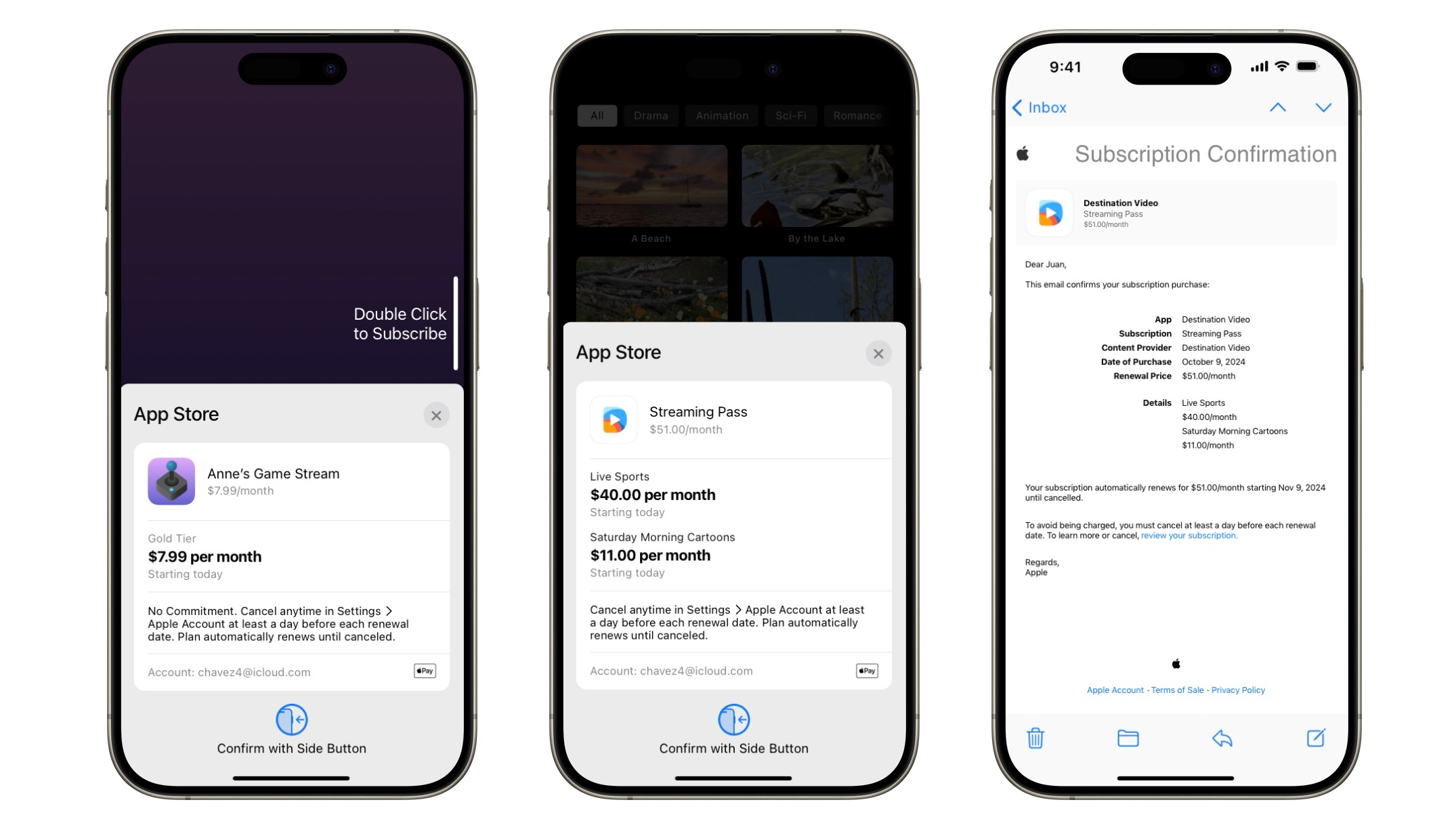 Apple's new API aims to streamline how developers create and manage these purchase formats, reducing friction in implementation and offering users a smoother checkout experience.
Why It Matters for App Store Optimization (ASO)
From an ASO perspective, the Advanced Commerce API opens up exciting opportunities:
Apple's new API aims to streamline how developers create and manage these purchase formats, reducing friction in implementation and offering users a smoother checkout experience.
Why It Matters for App Store Optimization (ASO)
From an ASO perspective, the Advanced Commerce API opens up exciting opportunities:
Back to the blog- Large Content Catalogs: Apps that host large libraries of content, where new items — such as an audiobook, class, or course
- Subscription Add-ons: Users can subscribe to a specific service as well as additional add-on content or services, all of which auto-renew as a single subscription within the same app.
- Creator Experiences: Apps that include frequently added content from multiple creators, with frequent additions, where each creator’s offering is merchandised as a single auto-renewable subscription.
Apple's new API aims to streamline how developers create and manage these purchase formats, reducing friction in implementation and offering users a smoother checkout experience.
Why It Matters for App Store Optimization (ASO)
From an ASO perspective, the Advanced Commerce API opens up exciting opportunities:
- Enhanced User Experience: With simplified purchasing flows and more tailored options, apps can increase conversion rates and retention.
- Expanded Monetization: The ability to offer diverse pricing models and add-ons allows apps to appeal to a wider audience, driving higher lifetime value (LTV).
- Improved Visibility: Apps that effectively use these new purchase formats may see better rankings in the App Store, as Apple often prioritizes apps that align with its latest features.
- Reviewing their current in-app purchase strategies.
- Identifying opportunities to introduce subscriptions or premium content add-ons.
- Staying updated on Apple’s API documentation and guidelines as they become available.